On Arbor Day, I'm going back to the arboretum. Here's why.
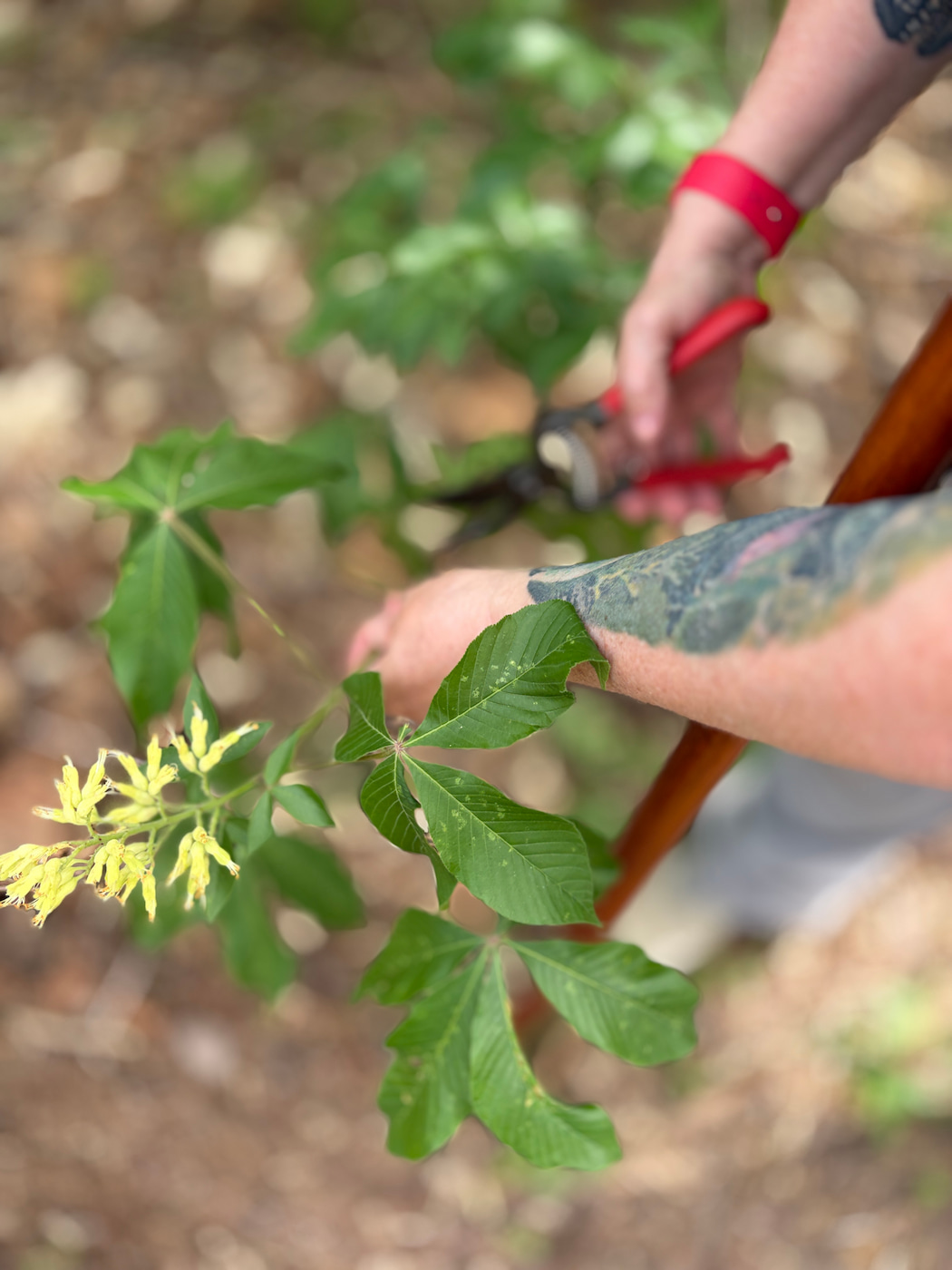
A week ago I spent the morning at the Ohio Chapter ISA Field Day in Westerville. TRAQ session, tree ID station, a full rotation of expert-led stops. I brought CanopyKeep — the AI tree app I'm building — and tested it against the real thing.
The real thing is Dr. Laura Deeter, Director of the Chadwick Arboretum at Ohio State and one of the sharpest plant ID minds in the Midwest.
She outkicked AI at every turn. And she taught me why.
Identifying a tree isn't one question. It's seven or eight.
Leaf shape. Leaf arrangement. Bud structure. Bark pattern. Branching habit. Fruit or flower, if present. Growth form. Site context.
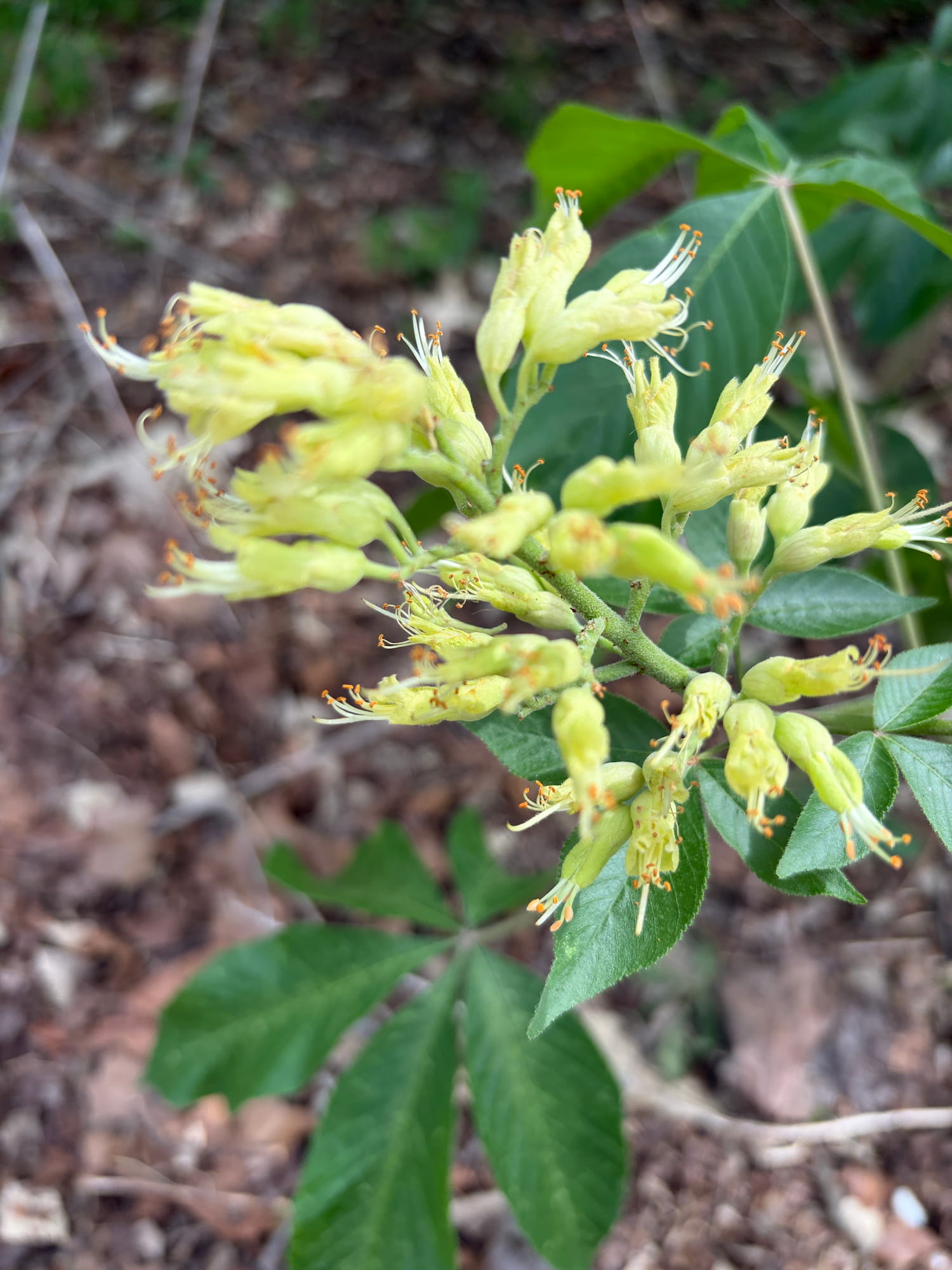
Then there's the part most AI models aren't built for:
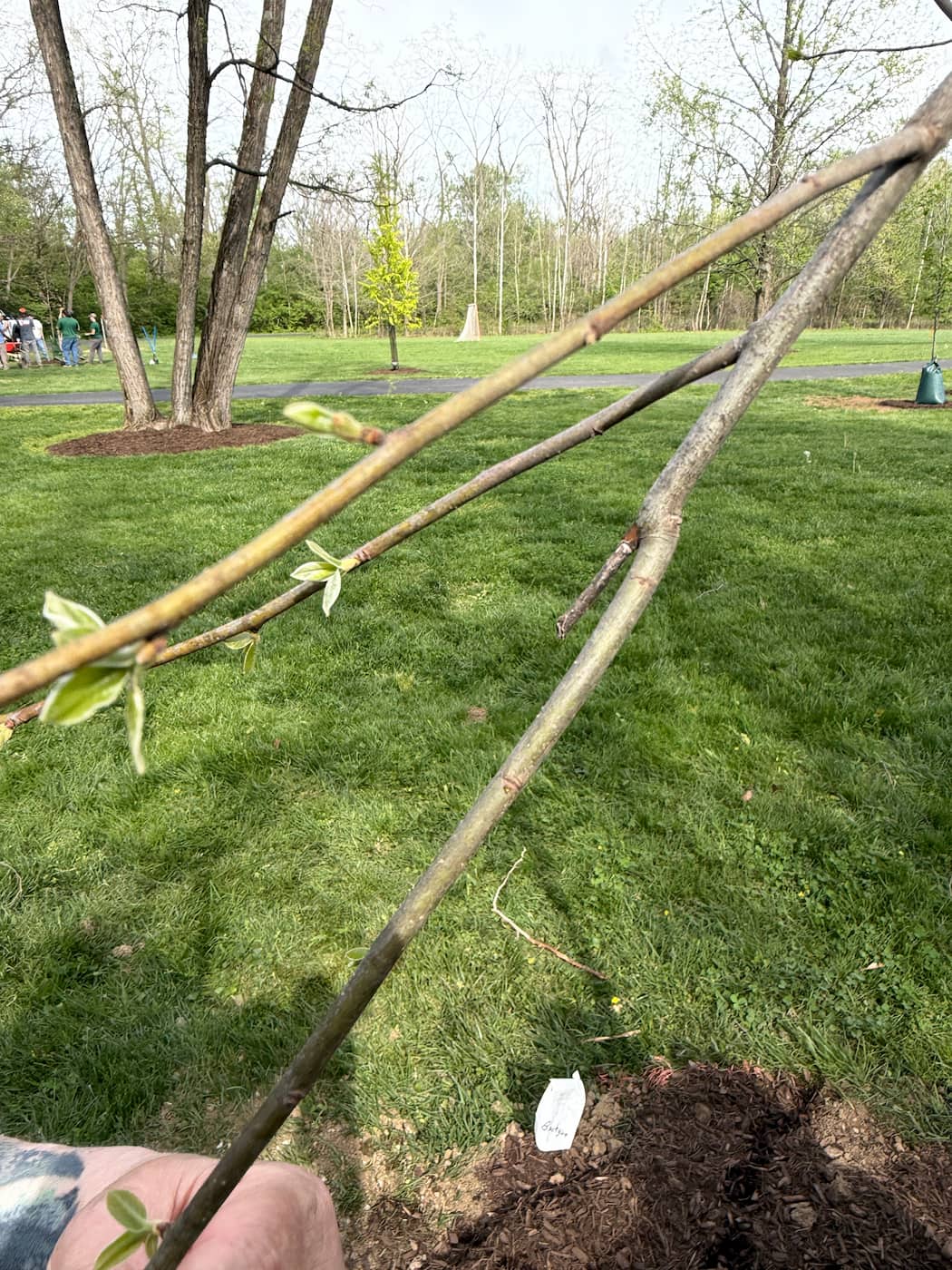
- Season. Dormancy strips the easiest signals. Most models were trained on summer leaves.
- Lifecycle. A young honey locust and a mature one don't look like the same species. Bark changes. Form changes. Thorns come and go.
A real arborist holds all of that in their head at once. Models guess from a single photo.
Case in point: I pointed CanopyKeep at a black gum. It said flowering cherry. Not even the same family.
Dr. Deeter walked me through the full protocol, then dropped the detail I'll never forget: find last year's leaf scar on a black gum. Look for E.T.'s face. Once you see him, you never miss him again. (See it here on Prof. Bob Klips's Woody Plants of Ohio, OSU EEOB — once you see him, you'll know.)
And then there's the hardware. I tried to photograph that leaf scar in the field — iPhone 17, windy sunny day. Couldn't come close to what my eyes saw with Dr. Deeter's finger pointing at it. Every AI model is downstream of the phone and the hand holding it. Prof. Klips's photo is what happens when someone who knows takes it. Most field photos don't look like that.
No model is taking that photo. That knowledge walks around in a person.
But here's the part I didn't expect to be proud of.
Tree ID is hard. Honest. We're working on it.
Tree diagnosis — "what's wrong with this tree?" — is a different story.
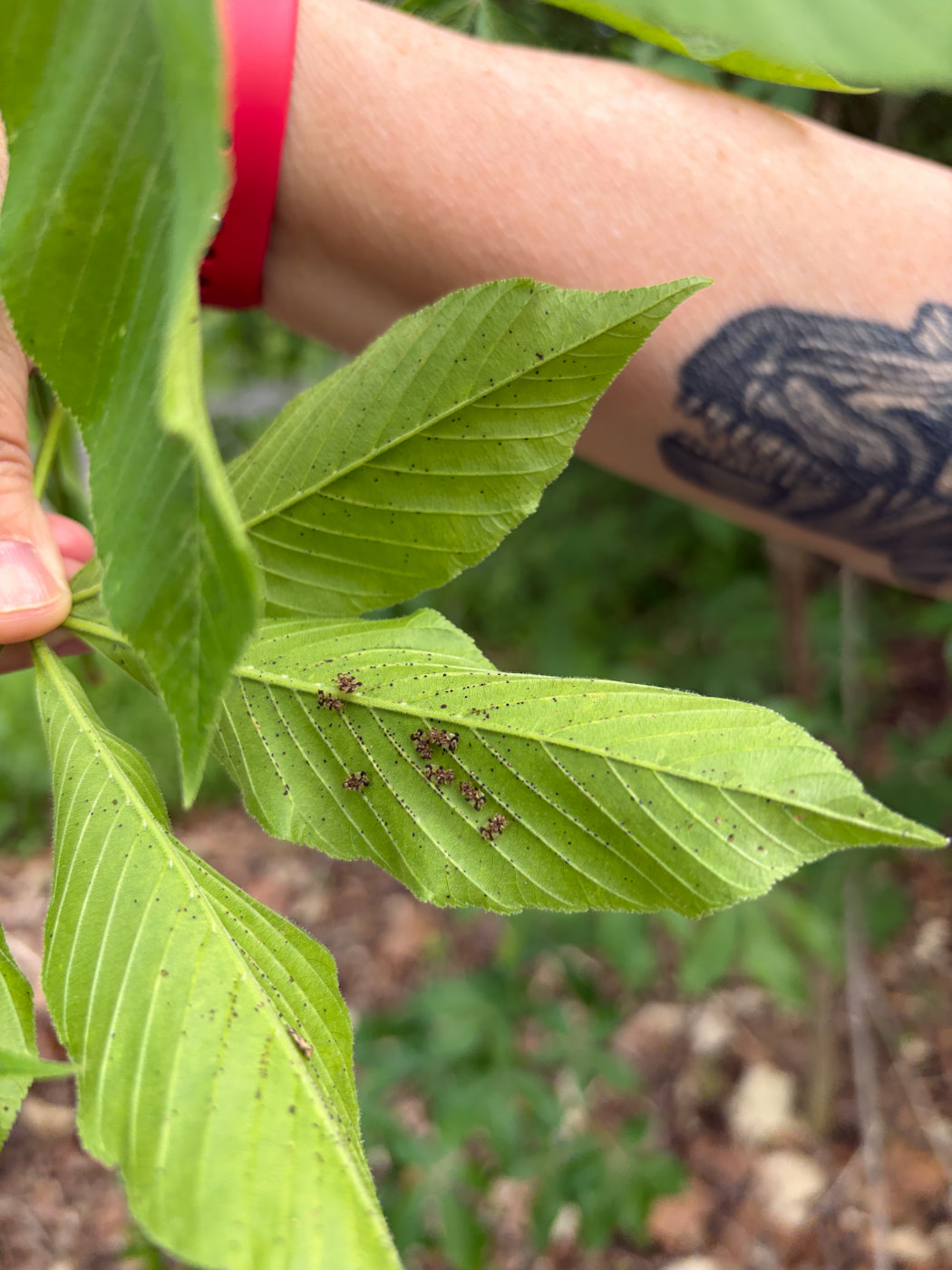
In my field tests, CanopyKeep's diagnostic side is running above 90% accuracy, with follow-up questions that dial the answer in, and advice mapped directly to ISA standards. Scale insects, aphids, frost cracks, wound assessment, beneficial organisms, decay symptoms — it's sharp.
And the follow-up loop is something I haven't seen in any other free tree app. Most tools give you one guess and call it a day. CanopyKeep gives you three follow-ups per ID or diagnosis — the answer gets sharper with every question.
This Friday is Arbor Day.
I'll be at the Chadwick Arboretum for their Arbor Day Celebration, then walking the grounds with CanopyKeep to keep testing.
If you're in Columbus, come find me. If you're not, try CanopyKeep wherever you are. It's free.
"What's wrong with this tree?" — tell me if it impressed you.
"What tree is this?" — tell me how badly it missed.
Email me what you find: [email protected]
I read every reply. Your misses help us get better. And the Dr. Deeters of the world are the reason we ever will.
Happy Arbor Day. 🌳
Photos from the Ohio Chapter ISA Field Day, Westerville.
David All · Arborist in Upper Arlington, Ohio. Builder of ArbAssist and CanopyKeep. Arlington Tree Co.